Renovating a heritage building without freezing it in time: El Mercat del Ninot
An example of how to balance historical preservation with technological and sustainable solutions in the heart of Barcelona.
Intervening in a heritage building requires striking a delicate balance between conservation and transformation: deciding which elements must be preserved, which can be reinterpreted, and how to incorporate new technical solutions without compromising its historical identity.
The task is to identify the parts of the building that are essential to understanding its character: the structure, facades, or certain construction elements, and which can be adapted to meet new usage needs. At the same time, it is necessary to integrate contemporary infrastructures, climate control systems, technical installations, or energy efficiency solutions without these interventions altering the original architecture.
Historical architecture is part of the memory and urban identity, but it must also remain functional. Renovating a heritage building does not mean freezing it in time, but rather allowing it to evolve to remain an active part of the city. To do this, it must be adapted to new demands for accessibility, functionality, and sustainability, always maintaining the balance between conservation and transformation.
The renovation project of El Mercat del Ninot in Barcelona is a good example of this approach.
El Mercat del Ninot: Renovation and update of a historic market
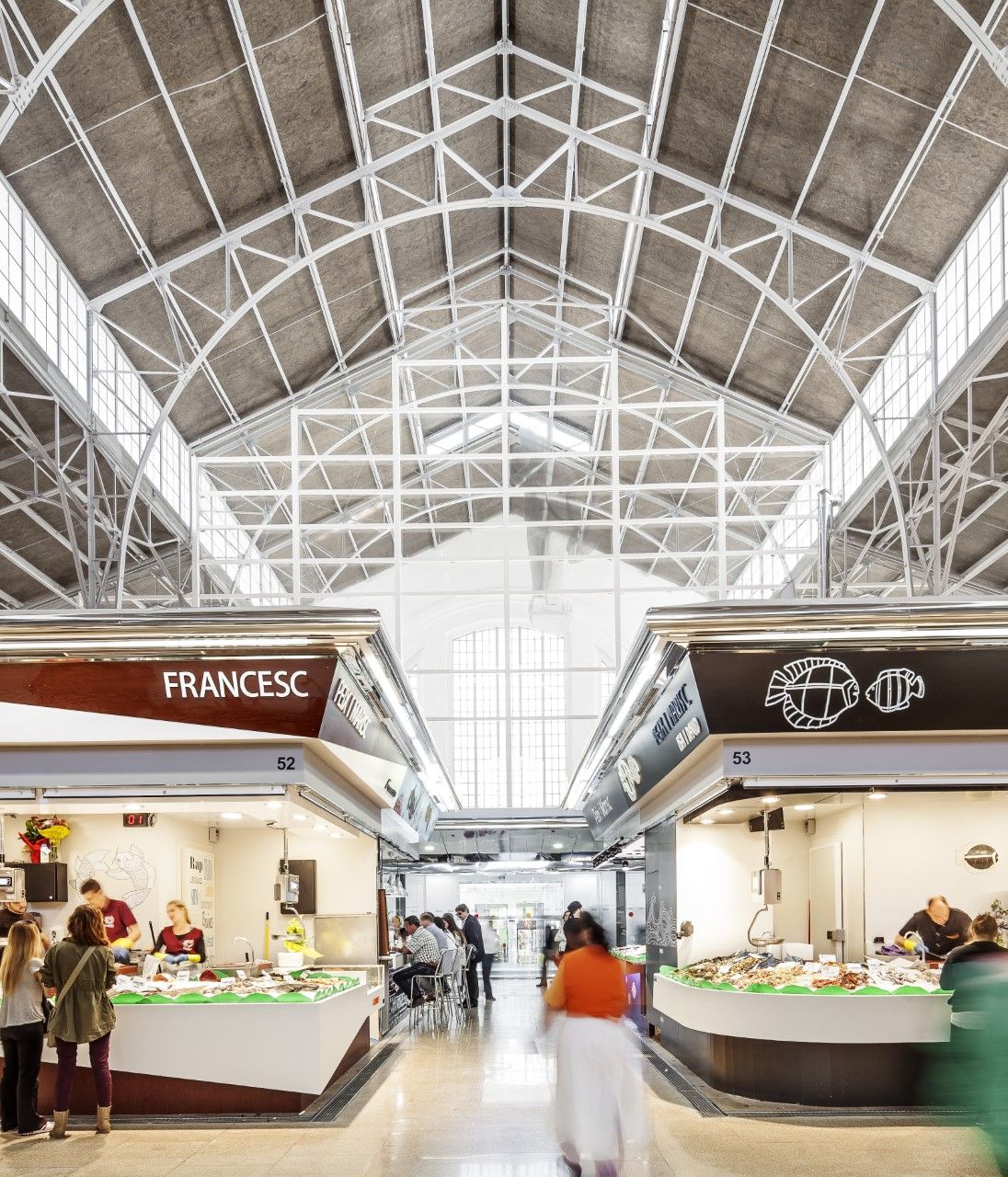
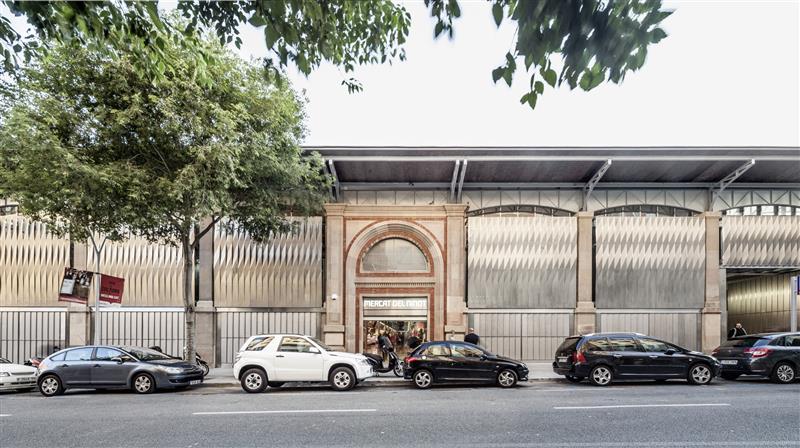
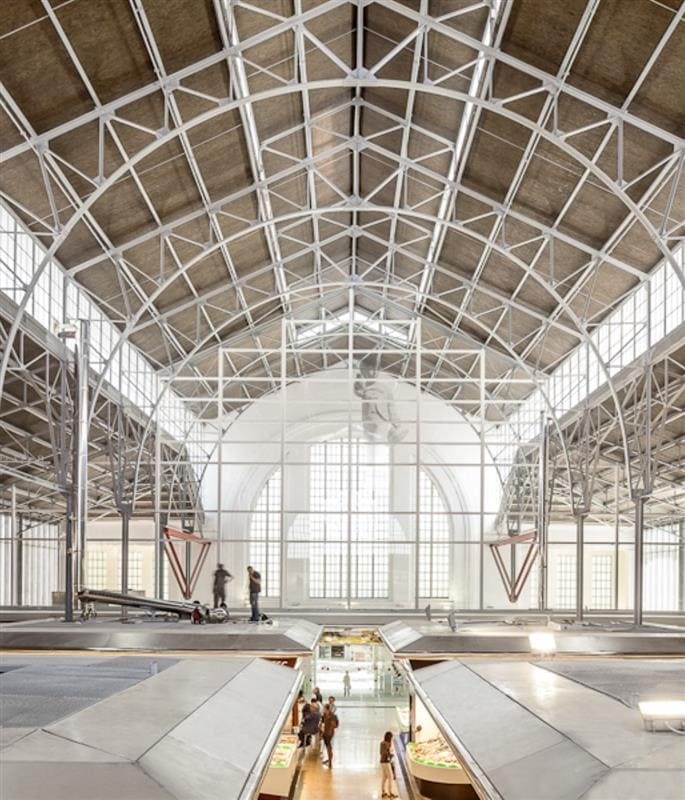
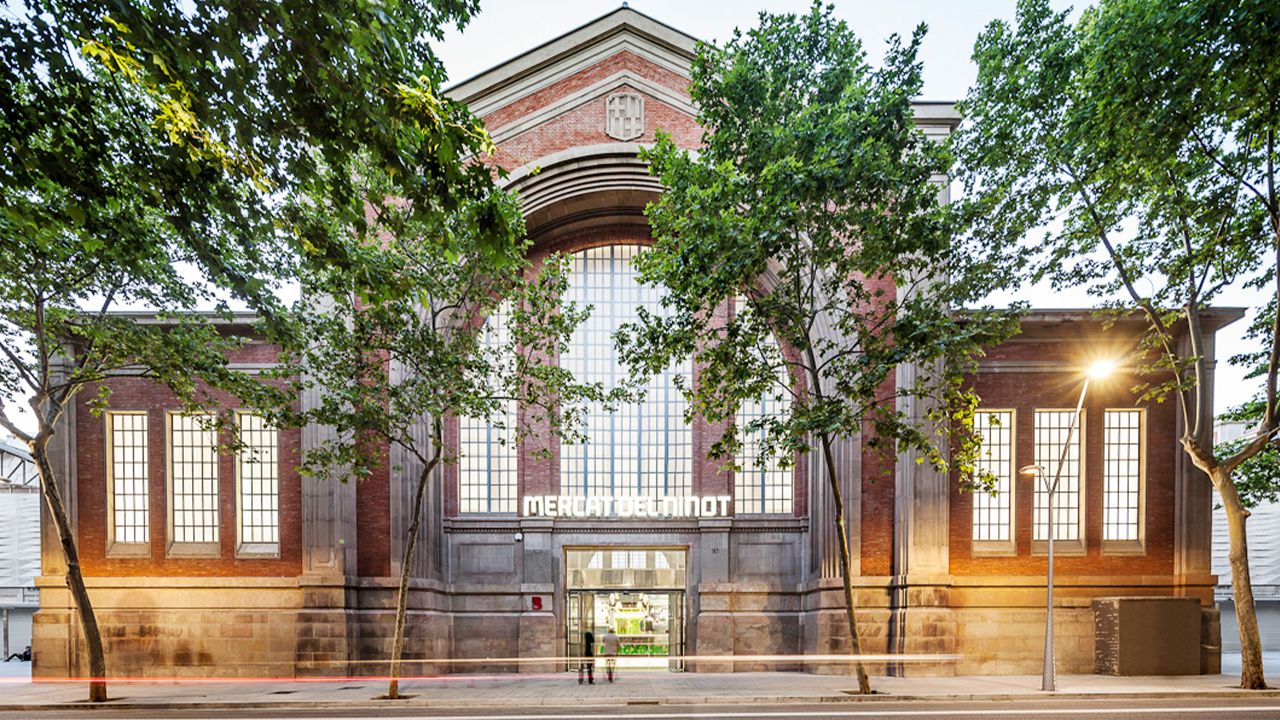
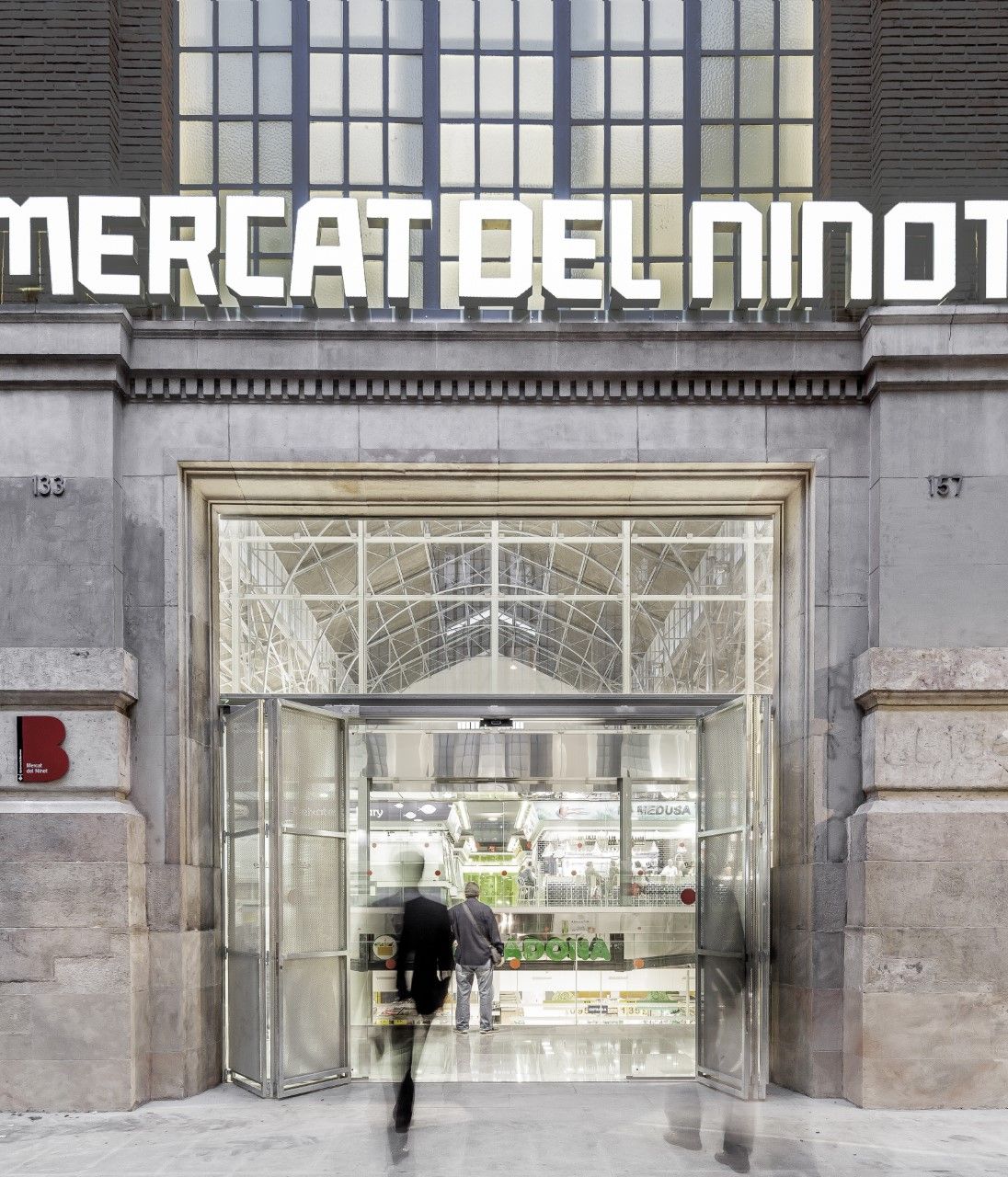
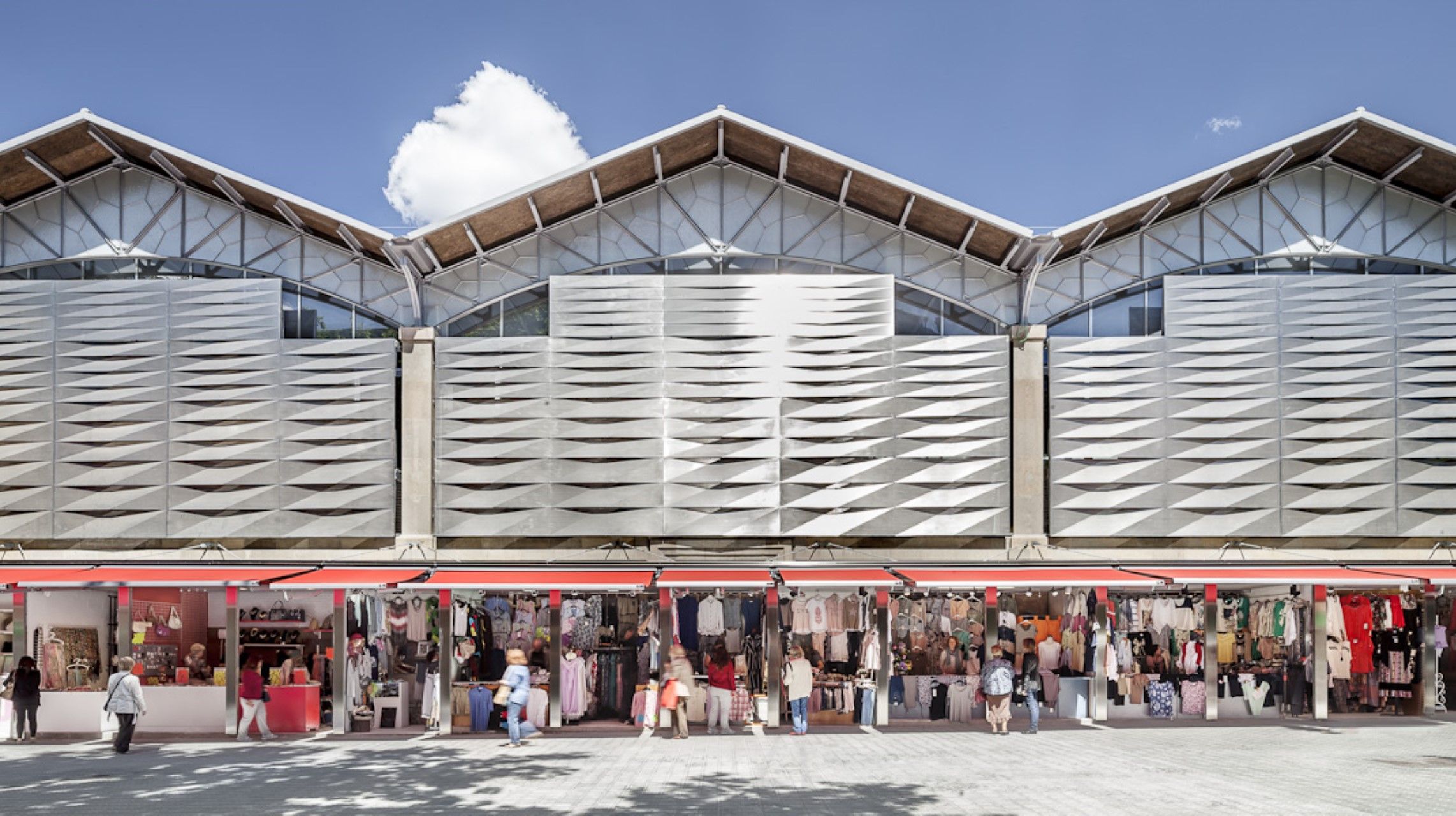
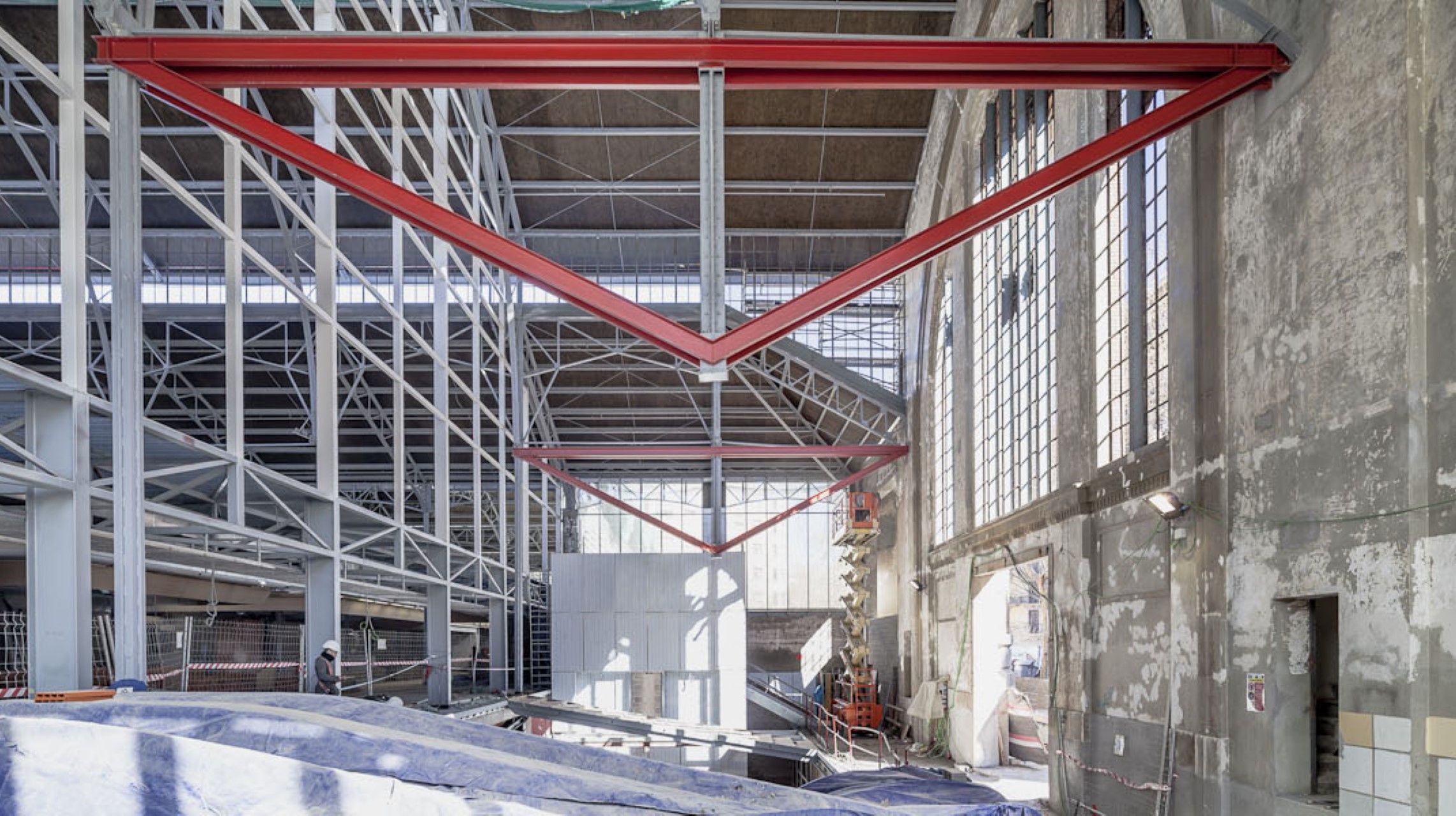
El Mercat del Ninot, an iconic Modernist building from 1933 in the heart of the Eixample in Barcelona, is the result of an intervention aimed at balancing respect for the history of the site with the need to adapt to contemporary requirements. Our renovation project, in collaboration with the MAP Arquitectos studio, transformed this historic space into a functional and accessible market, maintaining its identity without renouncing modernization.
This balance between conservation and modernization was key throughout the process, and the intervention has ensured that El Mercat del Ninot remains a landmark in the urban fabric of the city.
Conserving what’s essential, transforming what’s necessary
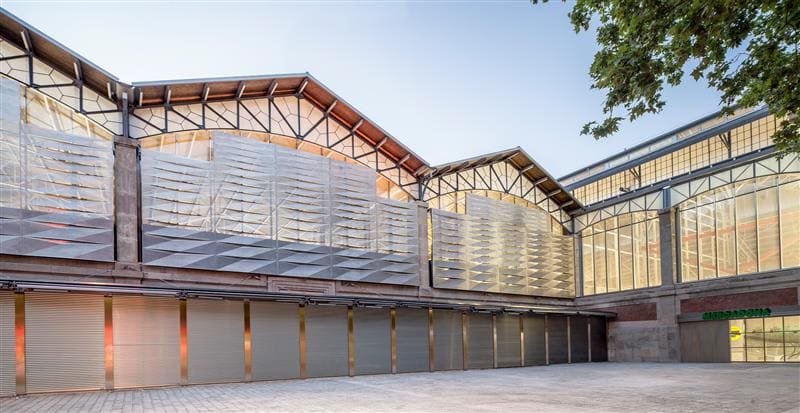
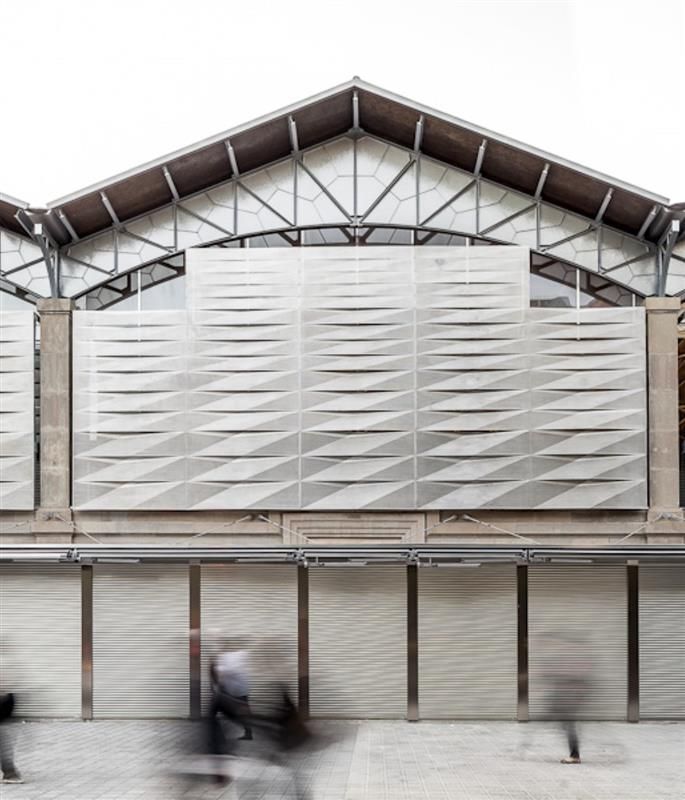
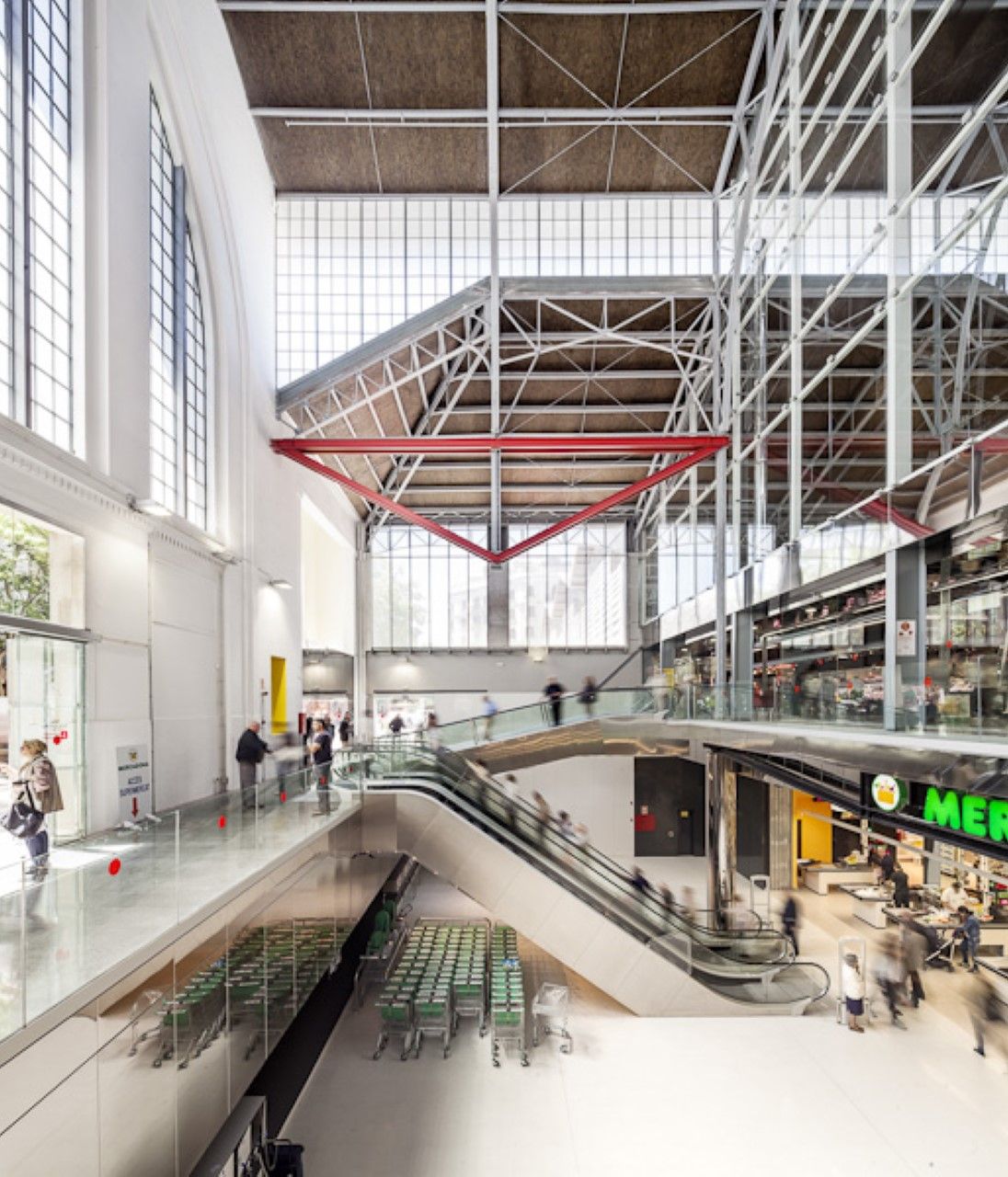
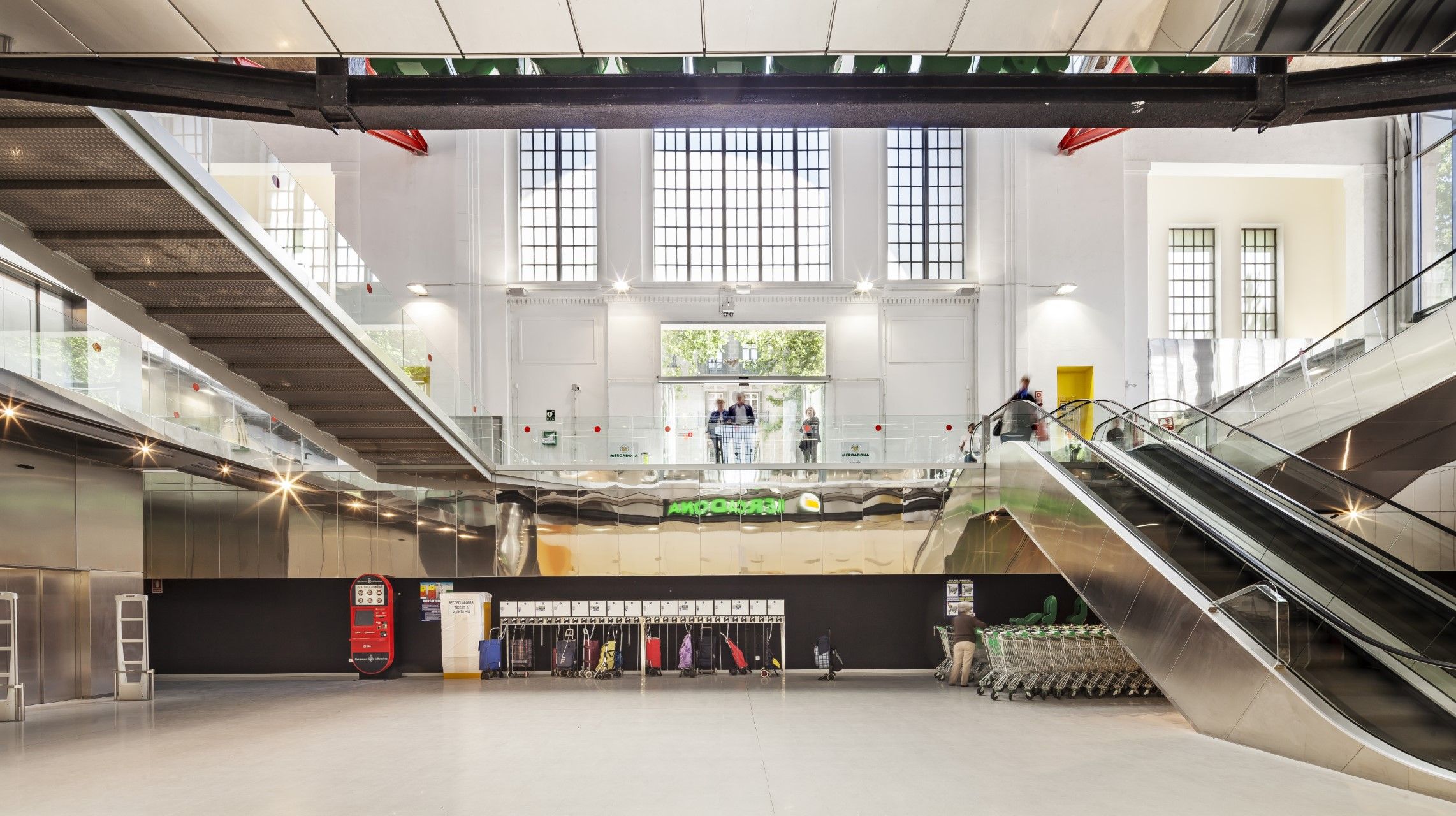
The main challenge in intervening in a listed building like El Mercat del Ninot was making key decisions about which elements to preserve and which to transform. Preserving the Modernist facade, a fundamental component that defines the building’s character, was prioritized. At the same time, the intervention improved accessibility by eliminating architectural barriers and creating new access points that optimized the space’s functionality for users.
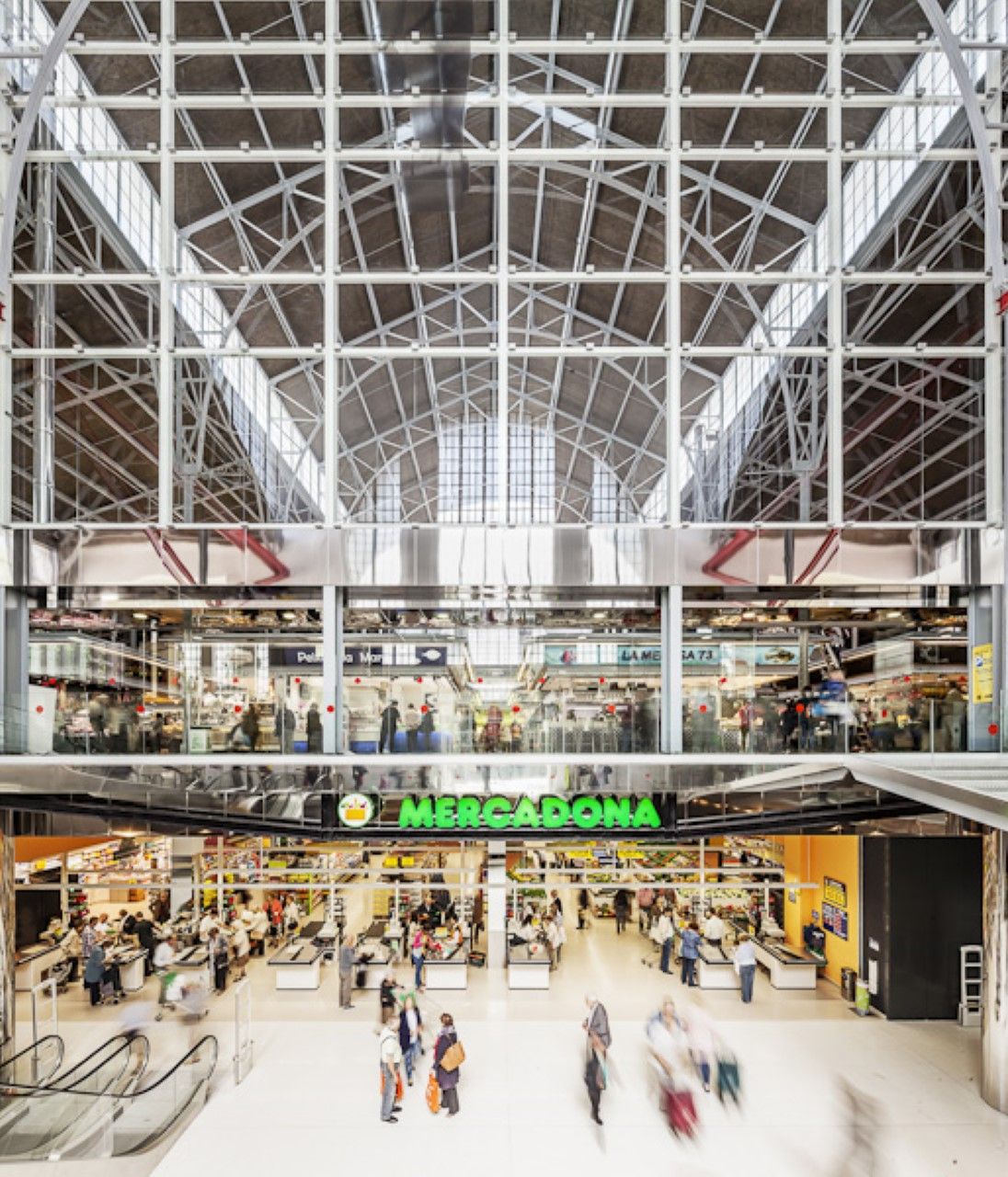
The original building, with an area of more than 2,400 m², was expanded by around 10,000 m² underground, incorporating a logistics area, a public parking lot, and a new commercial space for a supermarket.
The market also needed to adapt to the needs of the modern city. To achieve this, we designed an underground expansion that not only housed the market’s logistics but also enabled the creation of new commercial spaces and parking. Each intervention was planned to integrate seamlessly without intruding on the historical identity of the site, respecting its essence while responding to contemporary demands.
Integrating technology and sustainability
Sustainability is a central axis of our design approach. In El Mercat del Ninot, we integrated modern technologies that optimize resource use, such as photovoltaic panels for climate control and electricity consumption.
These solutions, always respectful of the original architecture, reinforce our commitment to the environment, making the market an example of energy efficiency and sustainability without sacrificing its heritage.ç
Strengthening the relationship between heritage and community
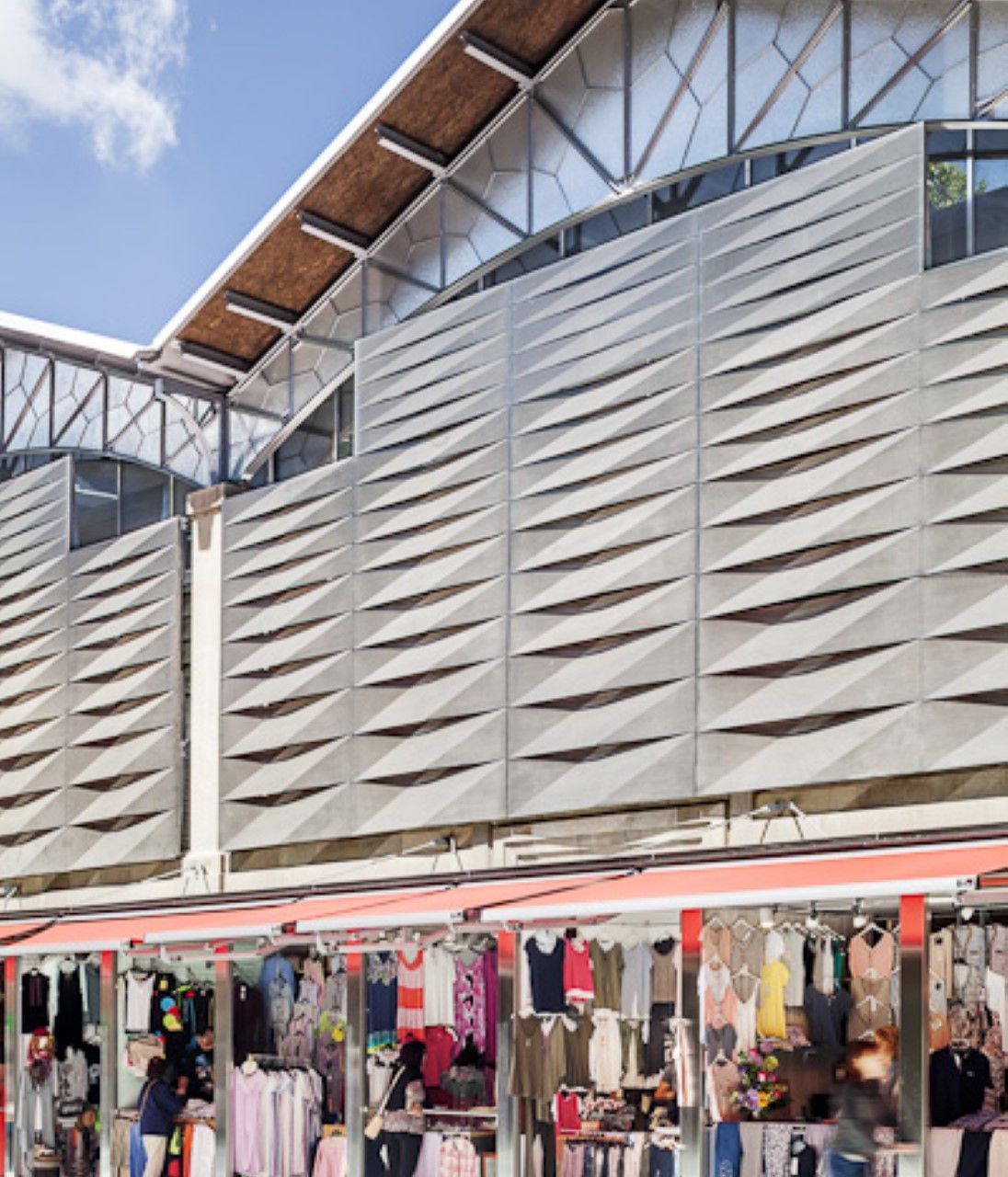
Our goal with El Mercat del Ninot went beyond mere renovation. We wanted the project to not only revitalize a historic space but also strengthen the relationship of the market with the community around it. We recovered the courtyards that provide access to the streets of Casanova and Villarroel, transforming them into accessible public spaces, and enhanced the surrounding urban environment. This intervention not only renewed the market but also further integrated it into its context, making it a place of interaction and coexistence for neighbors and visitors.
This project reflects our ability to integrate the history of a building with the needs of the contemporary city. We firmly believe that architecture should be a catalyst for the development and strengthening of the communities it serves. In this case, El Mercat del Ninot is a clear example of how to intervene in architectural heritage respectfully while making it functional and relevant for current generations.